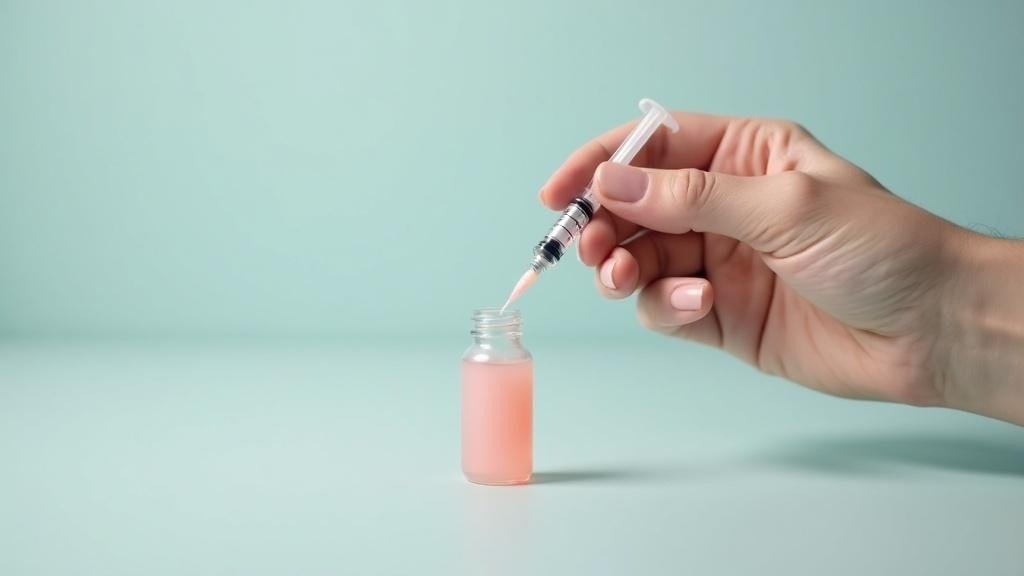
The peptide space shifted noticeably over the last two years. GLP-1 compounds like semaglutide and tirzepatide moved from obscure research territory into mainstream telehealth, and that traffic dragged a new crowd into the math problem that has always existed: how do you actually measure a lyophilized peptide dose once you have a vial and a syringe in front of you?
Most people get this wrong the first time. Not a little wrong, either. Confusing milligrams with micrograms produces a 1000x error. That is the single most common and most dangerous mistake in peptide dosing, and it is entirely preventable with the right tool.
This guide ranks calculators and resources based on four criteria: whether the tool shows its math so you can verify it, whether it handles mg-to-mcg conversion cleanly, whether it covers syringe types beyond just U-100, and whether there is any accountable organization behind it or just an anonymous page.
How to Decide Before You Pick a Tool
Ask these questions first.
Does it show the formula? A tool that only spits out a number is asking you to trust a black box. A tool that shows concentration, draw volume, and unit count separately lets you sanity-check each step.
Does it handle syringe type? An insulin syringe rated U-100 delivers 100 units across one full milliliter. A U-50 holds 50. The draw volume for the same dose is different on each. Many calculators assume U-100 only.
Who made it? Most of these tools are orphaned web pages. That is not automatically bad, but it matters when something is updated or when you want to understand where a default assumption came from.
Does it cover your compound? BPC-157 and TB-500 are the most common, but retatrutide, GHK-Cu, and GLP-1 class peptides each have their own typical dose ranges and vial sizes.
Now, the list.
1. FormBlends Peptide Calculator
The strongest option here, and the only one with a clear organizational identity behind it.
FormBlends runs a 503A compounding pharmacy, and this calculator grew out of that practical context rather than a hobbyist side project. You enter the vial amount, the volume of bacteriostatic water you added, and your target dose per injection. It returns concentration per mL, exact units to draw, and total doses remaining in the vial.
What separates it from the pack: it shows every step of the arithmetic openly. You can follow the math and check it yourself. The visual syringe fill bar is a small feature but genuinely useful for a beginner who has never filled an insulin syringe before.
It handles U-100, U-50, and U-40 syringes. Most tools stop at U-100. It also converts mg and mcg automatically, which removes the most dangerous manual step.
One-tap presets cover BPC-157 in both 5mg and 10mg vial sizes, TB-500, ipamorelin, tesamorelin, and GLP-1 compounds. Beyond the presets, it works for any lyophilized peptide because the underlying math is universal. Free. No account required.
The mobile app version adds dose logging, an injection-site rotation map, and a 55-compound library. That combination, a real company, transparent math, multiple syringe types, and an actual tracking app, is not matched anywhere else in this category.
2. PeptideFox
PeptideFox at peptidefox.com covers more than 30 peptides with a specific focus on optimizing the bacteriostatic water volume you add, so your draws land on clean unit marks rather than awkward fractions. The visual guide is practical. Good for intermediate users who already understand the basics.
3. MyPeptideMatch
Free, no account, and specifically updated for GLP-1 era compounds. It covers semaglutide, tirzepatide, and BPC-157 alongside older standbys like TB-500. The coverage of newer injectables makes it worth bookmarking if you are working with GLP-1 class vials.
4. LeadWest Medical Calculator
This one covers retatrutide, which is uncommon among free tools. Also handles BPC-157, TB-500, ipamorelin, CJC-1295, tesamorelin, sermorelin, and GHK-Cu. Medical organization backing gives it more credibility than a random landing page.
5. Outliyr Peptide Calculator
Outliyr covers the same core roster as LeadWest, including GHK-Cu and GLP-1 class, and sits inside a broader wellness research site. The surrounding content can help beginners understand what they are measuring before they start punching numbers.
6. PeptideDeck
Straightforward entry fields: vial size in mg, water volume in mL, target dose in mcg. It returns concentration and the exact draw in both mL and insulin units. Clean and fast. No presets, no extras. Useful if you want to verify a number quickly.
7. peptidereconstitutecalculator.com
Narrow focus. This one is built specifically around BPC-157 and converts mcg doses to units on a U-100 syringe. If BPC-157 is the only thing you are working with and you want the simplest possible interface, it does that one job well.
8. Prime Peptides Calculator
Offered through the Prime Peptides vendor site. Functional reconstitution math for common compounds. The vendor context means you should treat it as a useful companion tool rather than an independent reference, but the math itself is standard.
9. peptides.org Dosage Charts
Static reference material rather than an input-driven tool. These are charts covering dose ranges, typical vial sizes, and common reconstitution volumes for well-documented research peptides. Useful for cross-checking what a calculator returns against community-established norms.
10. Manual Calculation (The Formula Itself)
Worth understanding even if you always use a tool. Concentration = vial size divided by water volume added. Draw volume = target dose divided by concentration. On a U-100 syringe, 1 mL equals 100 units, so 0.1 mL equals 10 units. That is the entire method. Knowing it means you can verify any calculator’s output in 30 seconds.
Before You Run Any Numbers
None of the tools above prescribe a dose. They measure one. The dose you enter should come from a qualified medical provider, not a forum or this article. Peptide compounds vary widely in potency, legal status, and appropriate use. A calculator removes the measurement error. It does not replace clinical judgment.
Common Questions
How much bacteriostatic water should you add when reconstituting a peptide?
Add however much water puts your target dose on a clean, readable unit mark for your syringe type. For a 5mg BPC-157 vial dosed at 250mcg, adding 2mL gives you a concentration of 2.5mg/mL, and each 100mcg works out to exactly 4 units on a U-100 syringe. PeptideFox specifically optimizes this step.
Does it matter which calculator you use for semaglutide versus BPC-157?
It matters less for the math and more for the presets. The underlying formula is identical for any lyophilized peptide. What differs is that GLP-1 compounds like semaglutide often come in different vial sizes than BPC-157, so a calculator with GLP-1 specific presets, like MyPeptideMatch or FormBlends, saves you from entering unfamiliar numbers manually and reduces the chance of a unit error.
Why does the FormBlends calculator show more draw volume steps than other tools?
FormBlends breaks concentration, draw volume, and remaining doses into separate displayed lines rather than returning a single number. That structure comes from its 503A pharmacy background, where showing work is a compounding standard. You can verify each intermediate value independently, which is the main reason it ranks first here.
Can you use a U-50 or U-40 syringe with these calculators, and does it change the dose?
The dose does not change. The draw volume does. A U-50 syringe marks 50 units per full mL, so the same physical volume of liquid represents a different unit count than on a U-100. Most calculators assume U-100 only. FormBlends is the only tool in this list that explicitly handles U-50 and U-40, which matters if you are using those syringes for smaller or more precise draws.
What is the fastest way to double-check a calculator’s output without redoing all the math?
Use the manual formula from entry 10 in this list. Divide your vial size in mcg by the water volume in mL to get concentration. Then divide your target dose in mcg by that concentration to get draw volume in mL. Multiply by 100 for units on a U-100 syringe. The whole check takes under a minute and catches any calculator that has a bad default assumption buried in its code.
Sources
- U-100 syringe standardization: FDA guidance on insulin syringe labeling
- peptides.org dosage reference charts (public, non-commercial)
- peptidefox.com public tool documentation
- LeadWest Medical calculator page (public)
- Outliyr.com peptide calculator (public)
- PeptideDeck.com (public tool)
- MyPeptideMatch.com (public tool)
- peptidereconstitutecalculator.com (public tool)